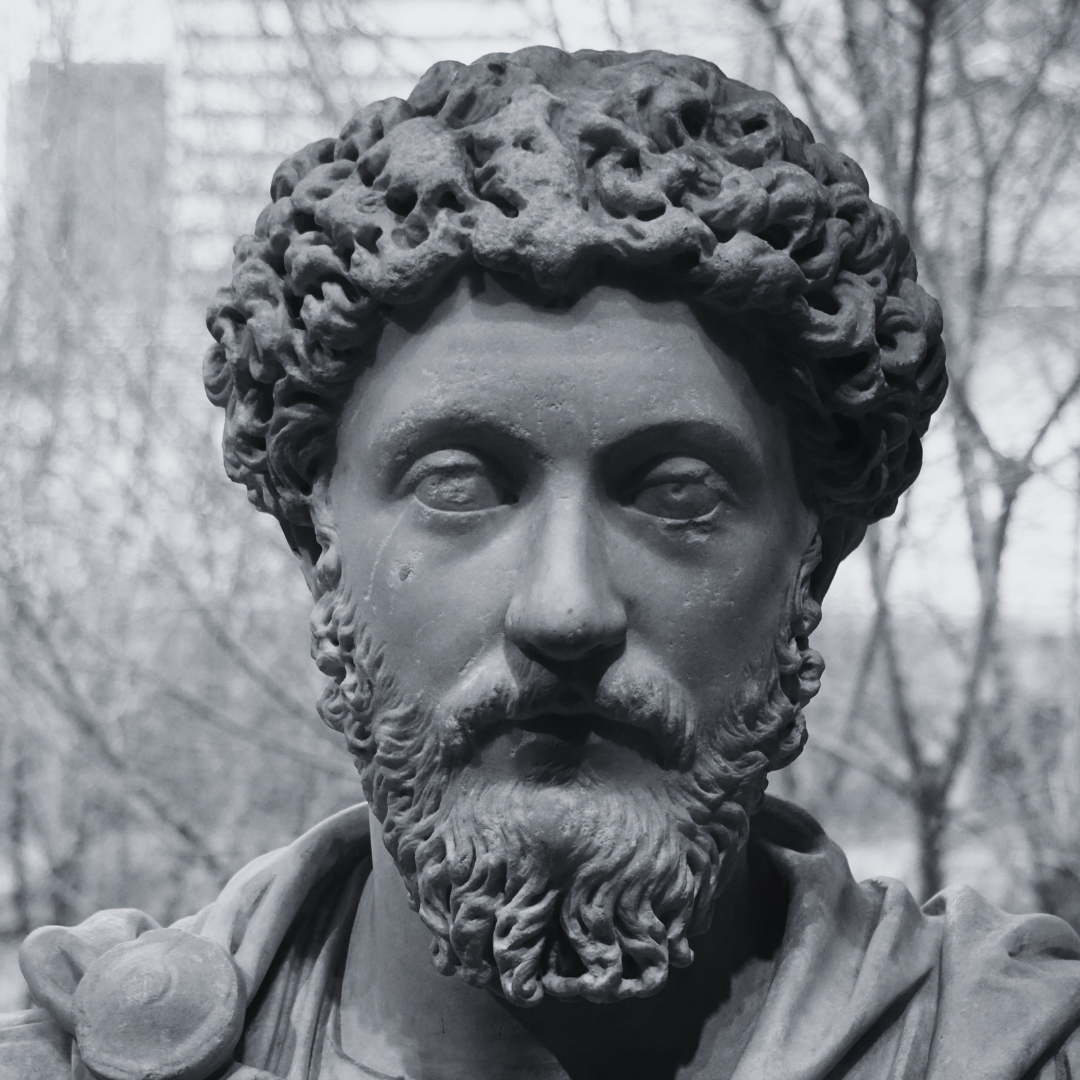
A Practical Guide to Living with Clarity, Strength, and Inner Freedom
In a world driven by distraction, outrage, and constant comparison, the ancient philosophy of Stoicism offers something radical: calm. To be a Stoic is not to suppress emotion or withdraw from life, but to engage with reality using reason, discipline, and moral clarity. It is about mastering yourself rather than attempting to control the world.
Founded in ancient Greece and later developed in Rome by thinkers like Epictetus, Seneca, and Marcus Aurelius, Stoicism remains deeply relevant today. Its teachings are not abstract theories; they are tools for living well.
Understand the Dichotomy of Control
At the heart of Stoicism lies one transformative idea: some things are within our control, and some are not. This principle, often called the dichotomy of control, is the foundation of Stoic peace.
Your opinions, choices, values, and actions are within your control. Other people’s behavior, the past, the weather, economic conditions, and outcomes are not.
A Stoic does not waste energy resisting reality. Instead, they focus entirely on what they can influence: their character and their response. When something goes wrong, they ask not, “Why is this happening to me?” but “How can I respond with wisdom?”
This shift alone can dissolve much unnecessary suffering.
Practice the Four Stoic Virtues
To be a Stoic is to cultivate character above all else. Stoicism teaches that the highest good is virtue, expressed through four core qualities: wisdom, courage, justice, and temperance.
Wisdom means seeing things clearly and making sound judgments.
Courage is acting rightly despite fear or discomfort.
Justice calls us to treat others fairly and contribute to society.
Temperance teaches self-control and moderation.
External success—wealth, status, praise—is considered indifferent. What truly matters is whether you acted with integrity.
A Stoic measures life not by comfort, but by character.
Reframe Obstacles as Opportunities
One of Stoicism’s most powerful ideas is that the obstacle is the way. Difficulty is not an interruption of life; it is life itself.
When challenges arise, a Stoic asks: “What does this situation demand of me?” Hardship becomes training. Insults become tests of patience. Failure becomes feedback.
Even Marcus Aurelius, who ruled an empire during war and plague, reminded himself daily that adversity was an opportunity to practice virtue.
To be a Stoic is to stop wishing for easier circumstances and start building a stronger mind.
Cultivate Emotional Discipline, Not Suppression
Stoicism is often misunderstood as emotional coldness. In reality, it teaches emotional mastery.
A Stoic feels emotions fully but does not become enslaved by them. Anger, fear, and desire are examined rather than obeyed. Between stimulus and response, there is a space—and in that space lies freedom.
When you pause before reacting, you reclaim your power.
This discipline is not repression; it is clarity. It allows you to respond thoughtfully rather than impulsively.
Practice Negative Visualization
The Stoics practiced premeditatio malorum—the premeditation of evils. This meant imagining loss or hardship in advance, not to dwell in anxiety, but to build resilience and gratitude.
Consider the fragility of health, relationships, or comfort. By acknowledging their impermanence, you learn to appreciate them more deeply.
Ironically, accepting that things can be taken away makes you less afraid—and more present.
Live According to Nature
To live “according to nature” in Stoic terms means living in alignment with reason and human nature. Humans are rational and social beings. Therefore, a Stoic strives to think clearly and contribute meaningfully to the community.
You are not separate from the world; you are part of it. Acting with integrity benefits not only you but everyone around you.
Stoicism is not isolation. It is responsibility.
Build a Daily Stoic Practice
Philosophy must be lived. The Stoics emphasized daily reflection. Seneca recommended reviewing your day each evening: Where did you act well? Where did you fall short? How can you improve tomorrow?
Journaling, mindful pauses, and intentional self-examination turn Stoicism from theory into habit.
Consistency matters more than intensity. Small acts of discipline accumulate into strength.
Accept Mortality
Stoics regularly reflected on death—not morbidly, but honestly. Memento mori—remember that you will die.
This awareness sharpens priorities. Petty frustrations fade. Time becomes precious. Gratitude deepens.
When you accept mortality, you stop postponing what matters.
The Stoic Mindset in Modern Life
Being a Stoic today does not require wearing a toga or renouncing ambition. It means staying calm in traffic. It means refusing to be consumed by social media outrage. It means doing your work well even when no one notices.
It means choosing virtue over ego.
The Stoic does not chase external validation. They pursue internal excellence.
In a chaotic world, this is quiet rebellion.
Final Thoughts: Becoming Unshakeable
To be a Stoic is not to eliminate hardship. It is to become unshakeable within it.
You will still face loss, criticism, failure, and uncertainty. But instead of being tossed by events, you become anchored by principle.
Focus on what you control. Practice virtue relentlessly. Reframe obstacles. Reflect daily. Remember death. Serve others.
In doing so, you cultivate something rare: inner freedom.
And that, according to the Stoics, is the only freedom that truly matters.
How To Be A Stoic
One day at a time
Leave a Reply